


-
Services
Services
Offerings
Learn moreSaaS Development

Web Application Development
Native & Cross-Platform Mobile Apps
Enterprise Software Solutions
API Architecture & Integration
Legacy System Modernization

Time Tracking Web App: Streamlining Productivity with a Custom Enterprise SaaS Solution.
Read case study
Offerings
Learn moreUser Research & Persona Mapping
UX Strategy & Wireframing
UI Design Systems & Libraries
Micro-Interactions & Motion Design
Offerings
Learn moreData Pipeline Design & Development
ETL & Data Warehousing
BI Dashboards & Advanced Reporting
Data Visualization & Analytics
Data Migration & Integration Optimization
Offerings
Learn moreMarketing & Sales Automation
Performance Marketing
Email & WhatsApp Campaigns
SEO & Content Strategy
Analytics & Conversions
CRM Implementation & Integration
Offerings
Learn moreCloud Architecture Design
CI/CD Pipeline Automation
Container Orchestration & Microservices
Cloud Migration & Cost Optimization
AIOps-Powered Intelligence
Cloud Security & Compliance
Share your project details
Share your details with us, and we'll reach out to discuss your needs.
Enquire now
Offerings
Learn moreMachine Learning
Generative AI
Conversational AI & Virtual Agents
Computer Vision Applications
AI-Powered Process Automation
AI Strategy & Consulting
Share your project details
Share your details with us, and we'll reach out to discuss your needs.
Enquire now
- Company



 Services

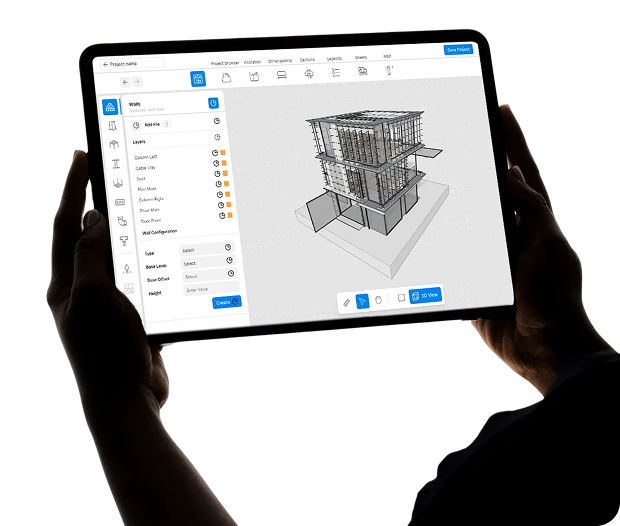
Scope of work
Web app UI/UX design
Industry
MEP engineering services & construction tech
Project timeline
2 month
Project goal
65%
faster navigation
2X
demo interactions
Inspired by our work?
Download the full case study.
Table of contents
Overview
Design Drafter is a comprehensive MEP engineering platform providing services such as MEP drafting, BIM modeling, CAD drawings, and building planning solutions. Its clients include architects, construction firms, real estate developers, and engineering consultancies that depend on precision, compliance, and technical accuracy.
When Design Drafter engaged with Noseberry Digitals, their digital presence did not reflect the depth or professionalism of their services. The existing platform lacked a modern interface, intuitive navigation, and a structured visual system capable of building confidence with technical and enterprise users.
The engagement focused on designing a complete, modern digital foundation covering web app UI/UX, a marketing website, visual identity, and social media presence. The goal was to simplify complex engineering workflows while reinforcing credibility, clarity, and usability across every digital touchpoint.
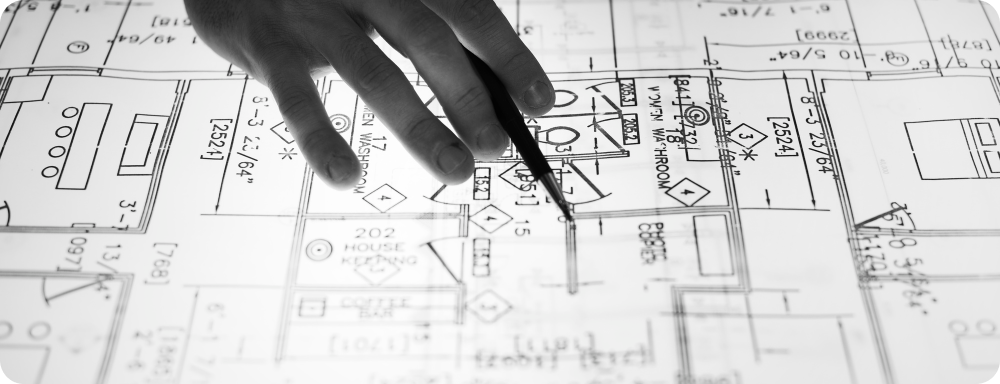
The Challenge
Early-Stage Digital Maturity
Design Drafter was at an early stage of its digital journey and required a foundational build rather than incremental improvement. There was no structured UX framework to guide users through complex MEP and BIM workflows.
Complexity of Technical Communication
MEP engineering services are inherently complex. Communicating these services clearly without oversimplifying or overwhelming users was a major challenge, especially for non-technical stakeholders involved in decision-making.
Brand and Trust Gaps
The absence of a defined visual identity made it difficult to establish credibility in a highly technical and trust-driven industry. The platform needed to signal precision, reliability, and engineering discipline visually.
Summary of Key Challenges ;
- No intuitive web app interface for complex workflows
- Limited UX tailored for engineers and architects
- Lack of a professional marketing website
- No cohesive visual identity system
- Difficulty explaining technical services clearly
- Minimal brand presence within the engineering ecosystem
The core challenge was to simplify complexity without compromising technical depth, while establishing a professional and trustworthy digital presence.

The Objective
User Experience Objectives
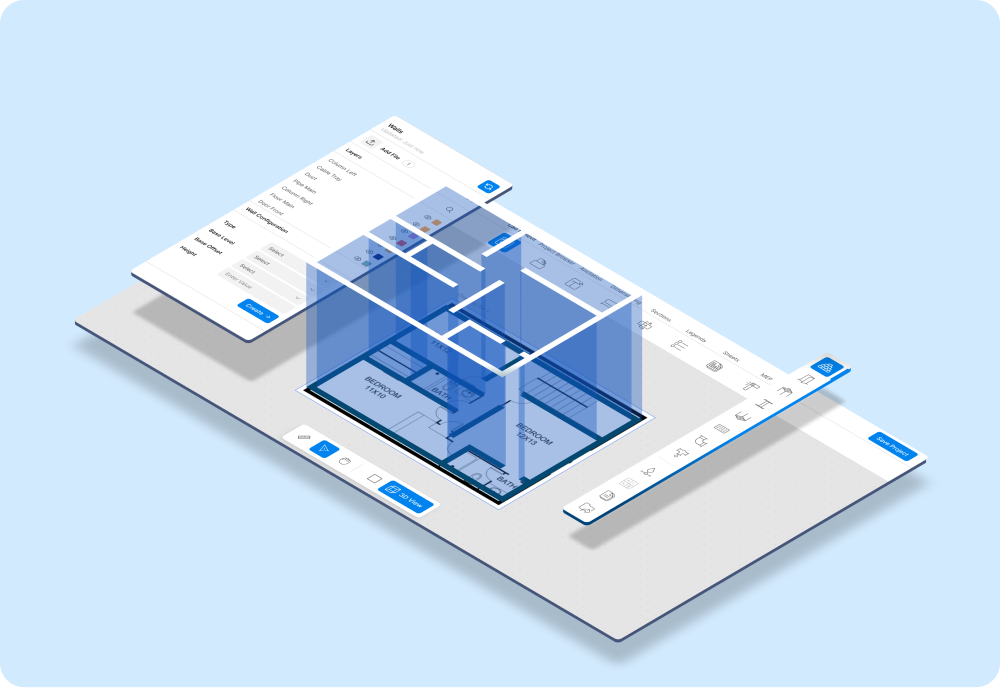
- Design a modern, intuitive web application interface optimized for engineers and technical professionals
- Reduce cognitive load while navigating complex MEP and BIM workflows
Brand and Communication Objectives
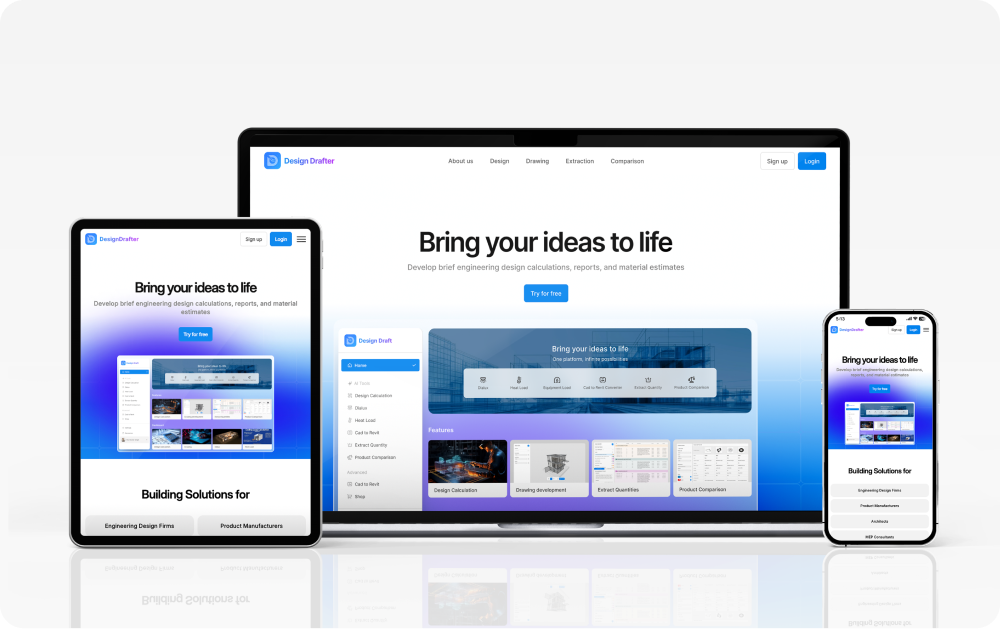
- Create a professional marketing website that clearly communicates platform value and capabilities
- Establish a cohesive visual identity aligned with engineering precision and trust
Business and Scalability Objectives
- Improve product understanding to support trial adoption
- Build a scalable digital foundation that can evolve with future features and users
These objectives ensured that every design and UX decision aligned with both user needs and long-term business growth.

The Solution
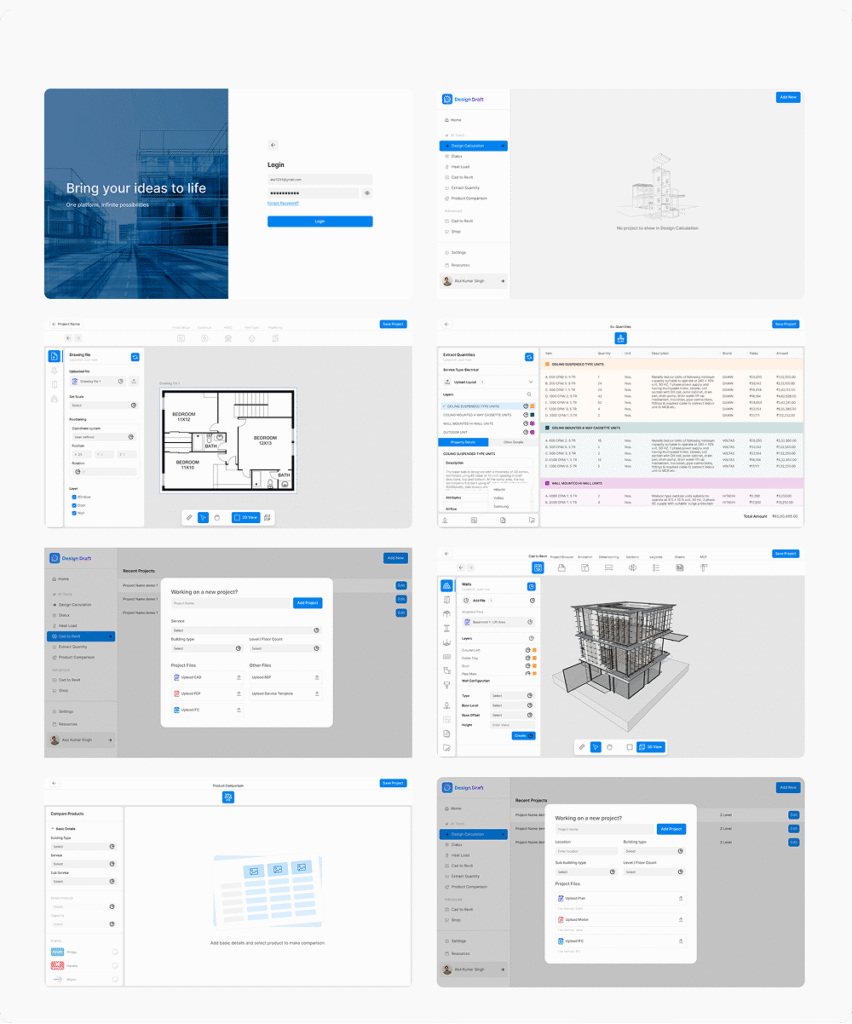
The solution was designed as a UX-led, system-driven digital ecosystem that unified product experience, marketing communication, and brand identity into a single, coherent platform. Rather than treating the web app, website, and brand assets as separate deliverables, the focus was on creating an integrated digital experience that reflects Design Drafter’s technical rigor and professional standards.
Every design decision was guided by the needs of technical users, engineers, architects, and drafting professionals who interact daily with complex workflows and dense information. The goal was to reduce friction, improve clarity, and enable faster comprehension without oversimplifying the underlying engineering processes.
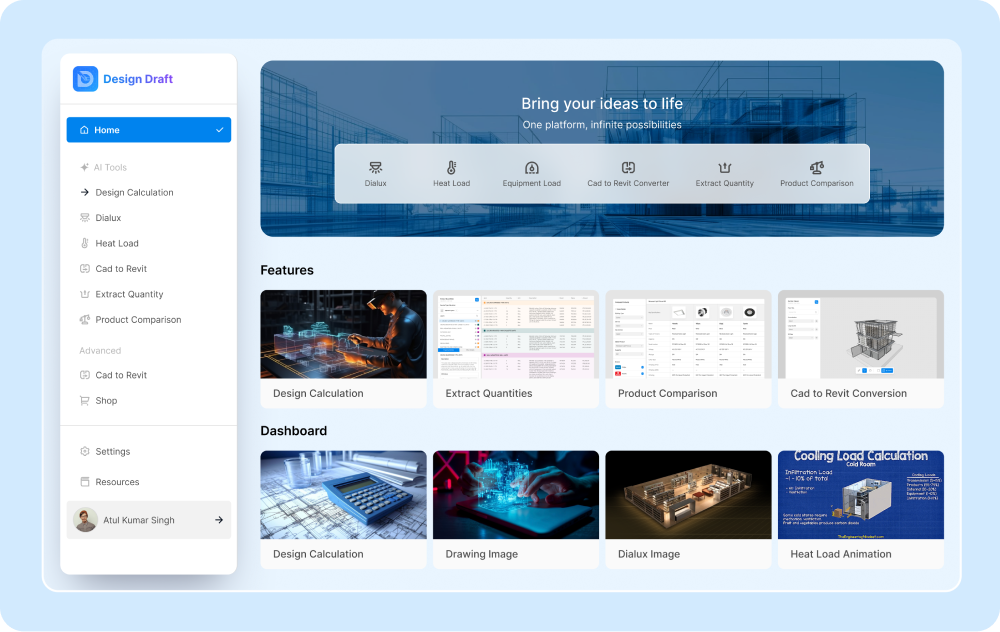
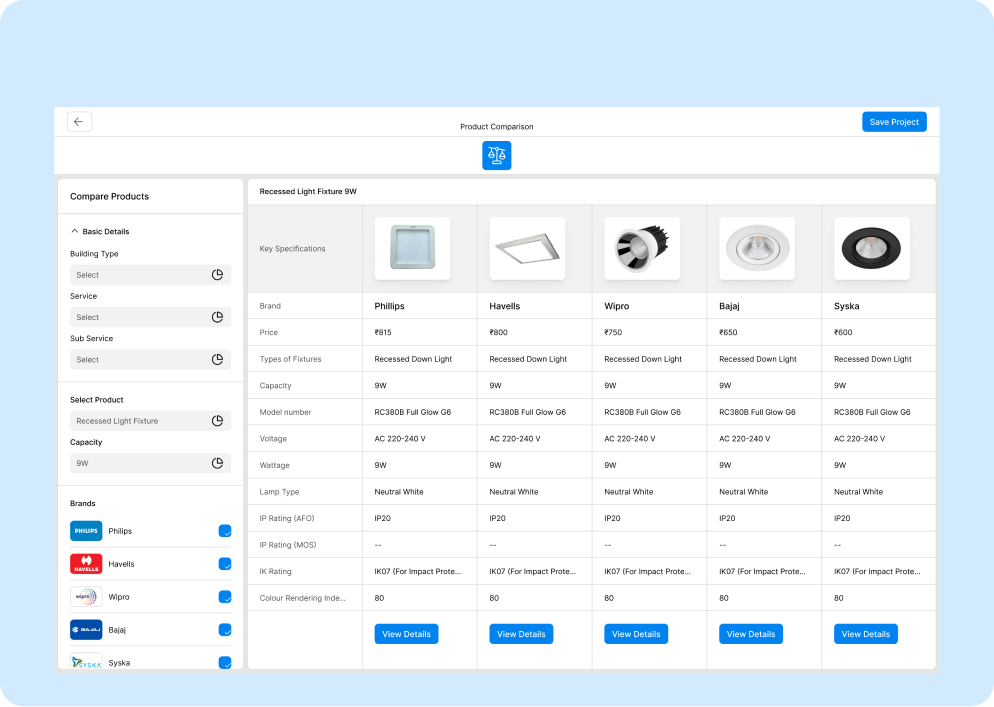
1. UX-Driven Web App Design
A complete web application interface was designed from scratch, tailored specifically for MEP and BIM professionals. The UX framework prioritized clarity, predictability, and efficiency, ensuring that users could quickly understand workflows and navigate complex tools with confidence.
The interface was structured around:
- Clear task-based workflows that mirror real engineering processes
- Logical grouping of tools and information to reduce cognitive load
- Consistent interaction patterns to improve learnability
- Clean layouts and spacing to support long working sessions
The result was a professional-grade interface that supports productivity while maintaining visual simplicity.
2. Marketing Website for Trust and Adoption
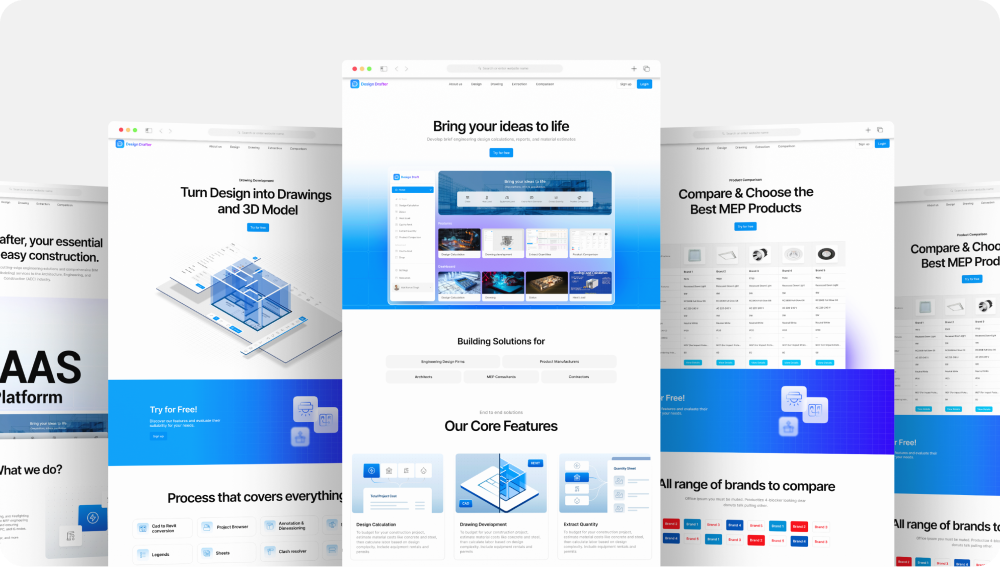
Alongside the product interface, a structured marketing website was developed to act as the platform’s primary trust and communication layer. The website was designed to serve multiple audiences: technical users, decision-makers, and potential partners, each with different information needs.
Content and layout were carefully organized to:
- Clearly explain Design Drafter’s services and platform capabilities
- Translate technical depth into accessible messaging for non-technical stakeholders
- Reinforce credibility through structured content and professional visuals
- Guide users toward trial downloads and contact points
3 . Brand & Visual Identity Foundation
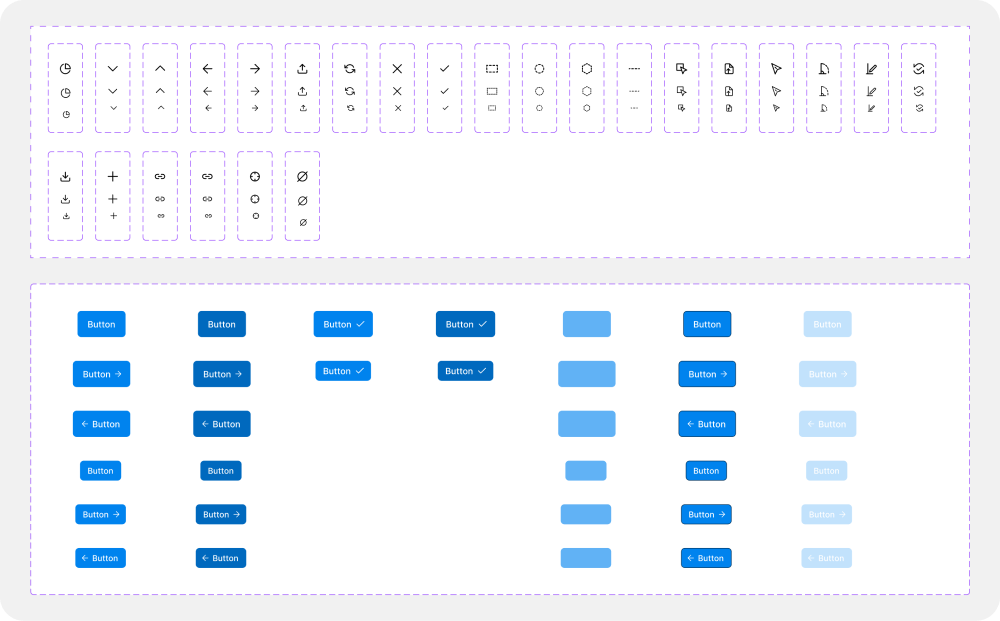
To ensure consistency across all digital touchpoints, a foundational visual identity system was developed. The identity reflects engineering precision, reliability, and technical discipline, key qualities required to build trust in the MEP and construction ecosystem.
The visual system included:
- Consistent iconography aligned with technical workflows
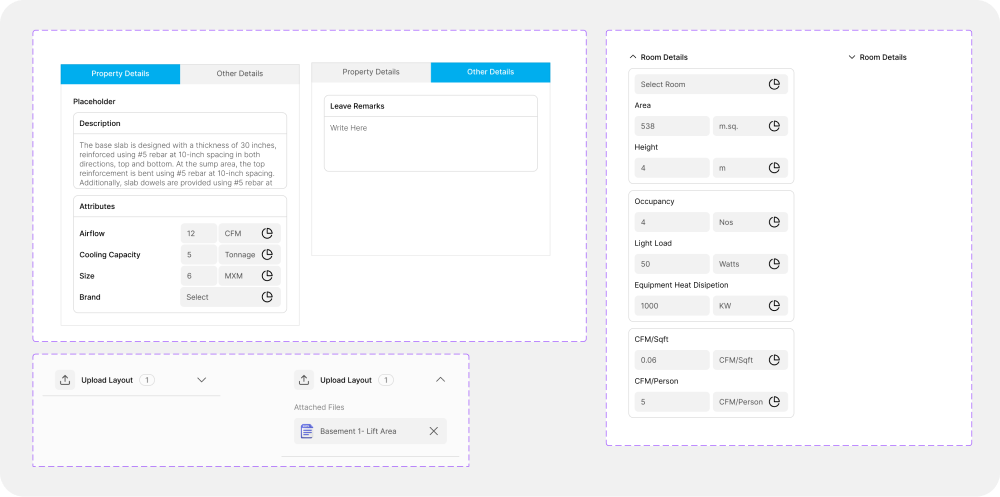
- UI component patterns that reinforce familiarity across the platform
- Grid-based layouts and typography that support readability and structure
4. Interactive Motion for Feature Explanation
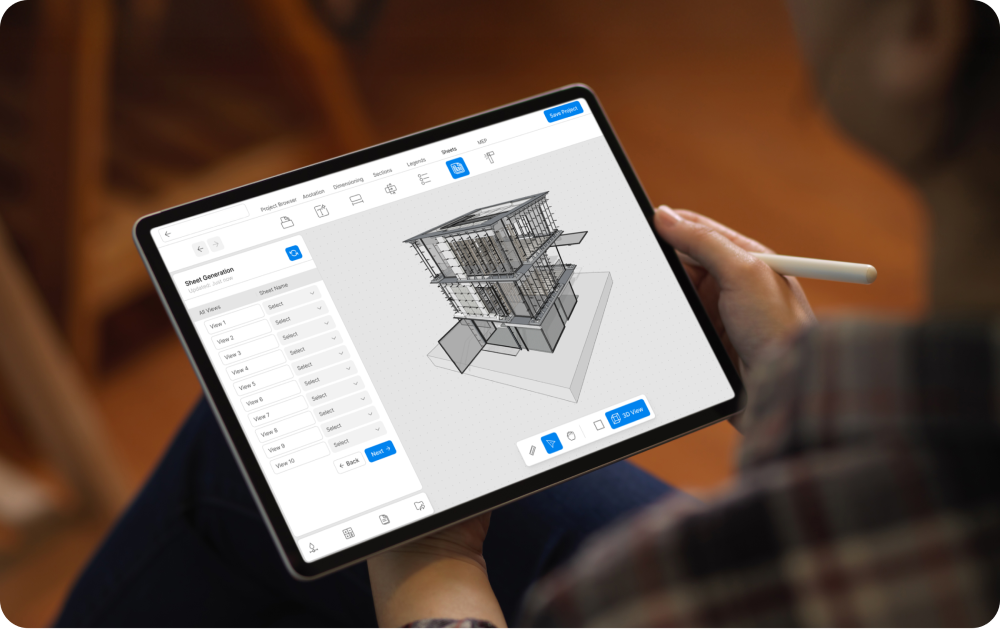
Subtle, high-quality motion design was introduced to support understanding rather than decoration. Animations were used selectively to explain complex workflows, demonstrate interactions, and guide users through feature transitions.
Motion helped to:
- Visually break down MEP and BIM processes
- Improve comprehension for first-time visitors
- Add clarity without distracting from core functionality
This approach enhanced usability while maintaining a professional tone.
5. Social Media Creative System
To extend the digital presence beyond owned platforms, a structured social media creative system was developed. The focus was on positioning Design Drafter as a knowledgeable and credible platform within the engineering and construction community.
Content themes were designed to educate and inform, covering:
- MEP drafting insights
- BIM workflows and best practices
- CAD-related processes
- Platform features and updates
- Industry-relevant educational content
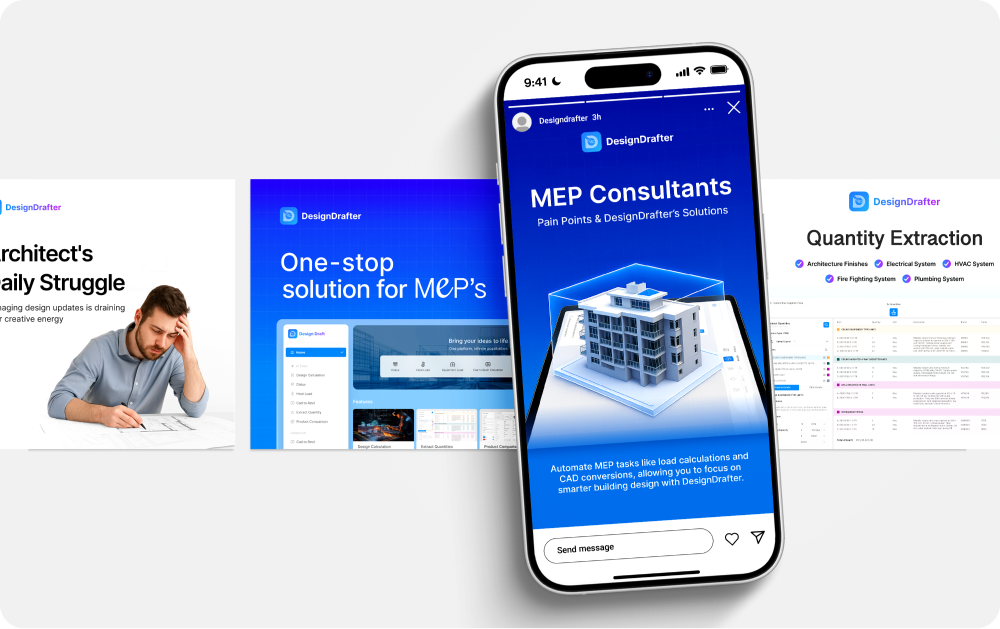
This helped build awareness, reinforce credibility, and support long-term brand positioning.
5. Integrated Outcome
Together, these elements formed a cohesive digital ecosystem where product experience, brand identity, and communication work in alignment. The solution not only modernized Design Drafter’s digital presence but also created a scalable foundation capable of supporting future features, users, and market expansion.
The Impact
Experience and Usability Impact
- Improved navigation clarity across the platform
- Faster task completion for technical users
- Better comprehension of platform features
Brand and Credibility Impact
- Stronger professional perception among architects and engineers
- Consistent visual identity across all digital touchpoints
- Improved engagement across the website and platform
Measured Results
- 65% faster navigation across the web platform
- 2× increase in demo interactions
Design Drafter now has a scalable, professional digital foundation that supports adoption, trust, and long-term growth.
Conclusion
This engagement demonstrates how a structured, UX-driven approach can transform a technically complex platform into a clear and engaging digital experience. By unifying product design, marketing communication, and visual identity, Design Drafter’s digital presence now reflects the precision and professionalism of its services. The result is a future-ready platform built to support credibility, adoption, and sustained growth within the MEP and construction ecosystem.


